
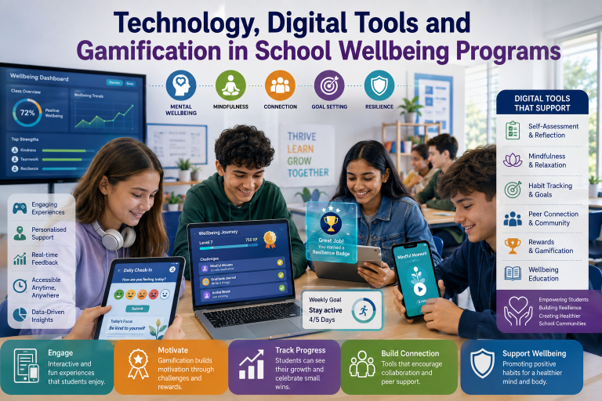
Student wellbeing has become a major priority for schools around the world. As young people navigate academic demands, social pressures, personal development, and an increasingly digital world, educators are exploring innovative ways to support mental, emotional, and social health. Traditional wellbeing initiatives remain valuable, but technology is creating new opportunities to engage students in meaningful and accessible ways.
Many educational institutions are now integrating digital strategies into initiatives such as a youth pathways program, recognising that technology can help connect learning, personal development, and wellbeing support. These tools allow schools to reach students through platforms and experiences that feel familiar and relevant to their daily lives.
Modern school wellbeing programs increasingly incorporate digital resources, interactive platforms, and gamified experiences to encourage participation, build resilience, and promote positive habits. When implemented thoughtfully, these technologies can enhance engagement while supporting important developmental goals.
Why Technology Is Becoming Central to Wellbeing Initiatives
Today’s students are digital natives. They interact with technology throughout the day for learning, communication, entertainment, and social connection.
As a result, digital tools offer a natural way to engage students in wellbeing activities. Technology can make support more accessible, personalised, and interactive than traditional approaches alone.
Benefits of integrating technology into wellbeing initiatives include:
- Increased student engagement
- Greater accessibility
- Real-time feedback
- Personalised learning experiences
- Flexible participation options
- Enhanced communication
Technology does not replace human relationships or professional support. Instead, it serves as a valuable complement that helps extend the reach and effectiveness of wellbeing efforts.
When used strategically, digital tools can encourage consistent participation and make wellbeing activities more appealing to students.
Digital Platforms for Wellbeing Education
Many schools now utilise digital platforms to deliver wellbeing content and resources.
These platforms often provide interactive lessons, self-assessment tools, educational videos, and guided activities that help students explore topics such as:
- Emotional regulation
- Stress management
- Mindfulness
- Healthy relationships
- Goal setting
- Resilience
- Self-awareness
Online platforms allow students to engage with content at their own pace and revisit resources whenever needed.
Teachers and wellbeing coordinators can also use these systems to monitor participation and identify areas where additional support may be beneficial.
The flexibility of digital platforms makes them particularly useful for reaching diverse student populations with varying learning styles and needs.
The Role of Gamification in Student Engagement
One of the most exciting developments in educational wellbeing initiatives is the use of gamification.
Gamification involves applying game-like elements to non-game activities in order to increase motivation and participation.
Common gamification features include:
- Points and rewards
- Achievement badges
- Progress tracking
- Challenges and missions
- Team competitions
- Goal milestones
These elements can transform wellbeing activities into engaging experiences that encourage consistent involvement.
For example, students may earn points for completing mindfulness exercises, participating in reflection activities, or demonstrating positive behaviours. Progress indicators help students visualise their achievements and maintain motivation.
By making participation enjoyable and rewarding, gamification can increase engagement with wellbeing initiatives that might otherwise be overlooked.
Encouraging Positive Habits Through Technology
One of the strengths of digital wellbeing tools is their ability to support habit formation.
Many applications and platforms encourage students to practice healthy behaviours consistently through reminders, tracking systems, and personalised feedback.
Examples may include:
- Daily gratitude exercises
- Mindfulness check-ins
- Physical activity challenges
- Sleep tracking
- Emotional wellbeing journals
- Goal-setting activities
Regular participation helps reinforce positive habits over time.
A student who initially used a wellbeing app to complete a short daily reflection exercise may gradually develop greater self-awareness and emotional regulation skills. Small actions repeated consistently can contribute to meaningful long-term improvements.
Technology helps make these practices more accessible and easier to incorporate into daily routines.
Using Data to Improve Student Support
Digital wellbeing platforms can provide valuable insights that help schools better understand student needs.
Anonymous and aggregated data may reveal trends related to:
- Student engagement
- Stress levels
- Participation rates
- Program effectiveness
- Areas requiring additional support
This information enables educators to make informed decisions and adapt initiatives to better meet student needs.
For example, if data indicate that students are experiencing increased stress during examination periods, schools may introduce targeted support activities during those times.
Data-driven decision-making allows wellbeing initiatives to become more responsive and effective.
However, schools must ensure that data collection practices prioritise privacy, transparency, and ethical use of information.
Enhancing Connection and Community
Technology is often criticised for reducing face-to-face interaction, but when used appropriately, it can also strengthen social connections.
Digital wellbeing initiatives may encourage:
- Peer support networks
- Collaborative challenges
- Group discussions
- Community service projects
- Shared wellbeing goals
These activities help foster a sense of belonging and community among students.
One school introduced a digital wellbeing challenge where students worked in teams to complete activities related to kindness, gratitude, and healthy habits. The initiative not only increased engagement but also strengthened peer relationships and school culture.
Technology can serve as a bridge that brings students together around shared experiences and positive goals.
Challenges and Considerations
While technology offers significant benefits, its implementation must be approached thoughtfully.
Potential challenges include:
- Excessive screen time
- Digital fatigue
- Accessibility barriers
- Privacy concerns
- Unequal access to technology
- Overreliance on digital solutions
Schools must ensure that technology enhances rather than replaces meaningful human interaction. Wellbeing programs are most effective when digital tools are integrated into a broader framework that includes teachers, counsellors, families, and peer support systems.
Balance is essential. Technology should support wellbeing goals without creating additional stress or dependency. Careful planning and ongoing evaluation help ensure that digital initiatives remain beneficial and aligned with student needs.
The Future of Technology in Student Wellbeing
As technology continues to evolve, its role in student wellbeing is likely to expand.
Emerging innovations may include:
- Artificial intelligence-based support tools
- Personalised wellbeing pathways
- Virtual reality mindfulness experiences
- Adaptive learning systems
- Advanced wellbeing analytics
- Interactive wellness simulations
These technologies have the potential to provide even more personalised and engaging experiences for students.
However, successful implementation will continue to depend on maintaining a balance between innovation and human connection.
The most effective wellbeing initiatives will likely combine technological capabilities with supportive relationships, inclusive environments, and evidence-based practices.
Conclusion
Technology, digital tools, and gamification are reshaping how schools approach student wellbeing. By making wellbeing initiatives more interactive, accessible, and engaging, these innovations help students develop important skills related to emotional health, resilience, self-awareness, and personal growth.
Digital platforms provide flexible learning opportunities, gamification encourages participation, and data-driven insights help schools deliver more targeted support. When integrated thoughtfully, technology can strengthen wellbeing initiatives and enhance student engagement.
At the same time, successful implementation requires careful attention to privacy, accessibility, and the importance of human relationships. Technology should serve as a tool that complements, not replaces, the guidance and support provided by educators, families, and peers.
As schools continue to innovate, the combination of digital engagement and holistic wellbeing strategies offers exciting possibilities for supporting the next generation of healthy, confident, and resilient learners.