
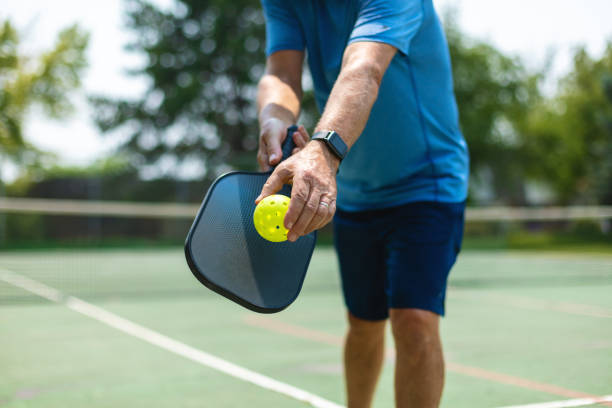
Organized pickleball tournaments have increasingly become a significant force in shaping local sports communities, influencing various aspects from economic growth to social engagement. As the sport gains popularity, these events draw participants and spectators from diverse backgrounds, fostering a vibrant atmosphere that benefits local areas beyond just athletic competition. The structured nature of tournaments provides opportunities for players at all levels to showcase their skills, encouraging both amateur and experienced athletes to engage more deeply with the sport. This inclusivity helps build a stronger sense of community among residents who share an interest in pickleball.
One notable impact of organized pickleball tournaments is their contribution to local economies. Events often attract visitors who spend money on accommodations, dining, and retail, providing a boost to small businesses and service providers. Municipalities hosting such tournaments may see increased revenue through tourism-related activities as well as heightened visibility that can lead to future events or investments in sports infrastructure. Moreover, these gatherings create temporary employment opportunities related to event management, marketing, and hospitality sectors within the host area.
Beyond economics, the social benefits are equally important. Pickleball’s accessibility makes it suitable for people across different age groups and skill levels. Tournaments encourage participation from youth programs as well as older adults seeking recreational activity or competitive play. This diversity promotes intergenerational interaction and teamwork while fostering healthy lifestyles within communities. Additionally, organized competitions often collaborate with schools or community centers by offering clinics or workshops alongside tournament play. These initiatives help nurture emerging talent while emphasizing sportsmanship and personal development.
The presence of official leagues and sanctioned events also elevates the quality of play locally by introducing standardized rules and fair competition environments. Players gain experience under regulated conditions that prepare them for higher-level contests regionally or nationally if they choose to advance in the sport’s hierarchy. Coaches benefit from observing varied playing styles during tournaments which contributes toward refining training methods tailored specifically for pickleball athletes.
Furthermore, media coverage surrounding organized pickleball tournaments raises awareness about this growing sport among broader audiences who might otherwise overlook it amid learn more here established athletic pursuits like basketball or tennis. Local newspapers reporting on tournament outcomes highlight individual achievements along with team efforts which inspires others within the community to participate recreationally or competitively.
In summary, organized pickleball tournaments serve as catalysts for positive change within local sports ecosystems by driving economic activity, enhancing social cohesion through inclusive participation opportunities, improving athletic standards via structured competition formats, and increasing public engagement through media exposure-all contributing toward sustainable growth of both the sport itself and its surrounding communities over time.