
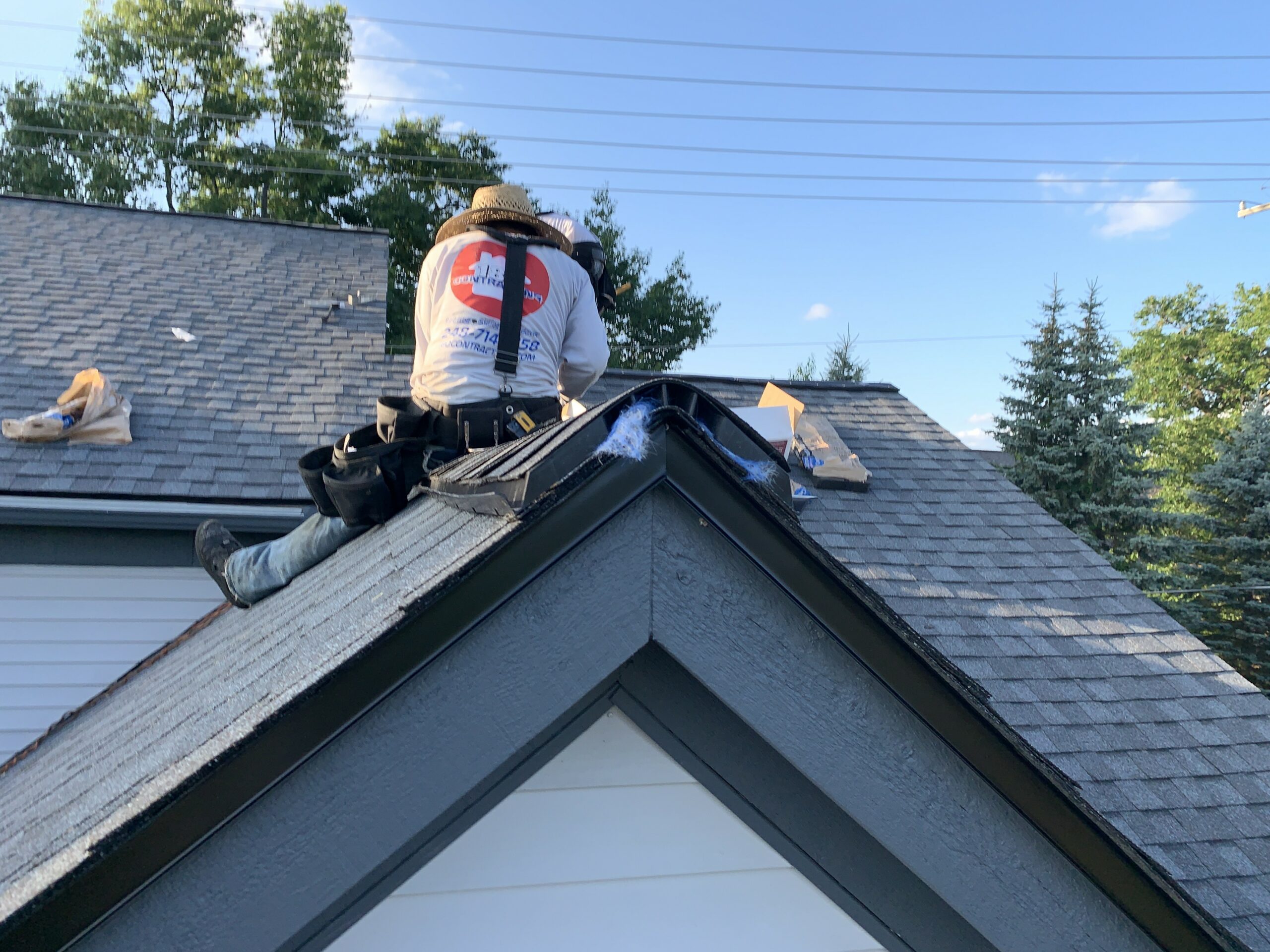
When considering a roofing project, obtaining multiple estimates from different contractors is essential for making an informed decision. Comparing these estimates involves more than just looking at the final price; it requires understanding the scope of work, materials used, labor costs, warranties offered, and the contractor’s reputation. Each estimate may reflect variations in these factors, which can significantly impact both the quality and longevity of your roof.
The first step in comparing roofing estimates is to examine what each contractor includes in their proposal. Some contractors provide detailed breakdowns of material types and quantities, while others may offer a lump sum without specifics. It is important to ensure that all quotes cover similar materials and services so that comparisons are fair. visit for more insights example, one estimate might specify architectural shingles with a 30-year warranty while another uses three-tab shingles with a shorter lifespan. These differences affect not only cost but also durability and appearance.
Labor costs can also vary widely between contractors depending on their experience level, crew size, and local market rates. A lower bid might seem attractive initially but could indicate less experienced workers or shortcuts in installation processes. Conversely, higher bids do not always guarantee superior workmanship; therefore, researching each contractor’s credentials and customer reviews becomes crucial when analyzing estimates.
Warranties included with roofing projects differ among contractors as well. Some companies offer extensive manufacturer warranties on materials combined with workmanship guarantees lasting several years. Others may provide limited coverage or none at all beyond industry standards. Understanding warranty terms helps assess long-term value rather than focusing solely on upfront expenses.
Additional charges such as permits, disposal fees for old roofing materials, or unforeseen repairs often appear as separate line items or disclaimers within estimates. Clarifying these potential extra costs before signing any contract prevents surprises during project execution.
Communication style during the estimation process offers insight into professionalism and reliability too. Contractors who take time to explain their proposals clearly demonstrate transparency and willingness to address client concerns.
Ultimately, selecting a roofing contractor should balance cost considerations with quality expectations and trustworthiness indicators found through thorough comparison of multiple estimates rather than choosing based solely on price alone.