
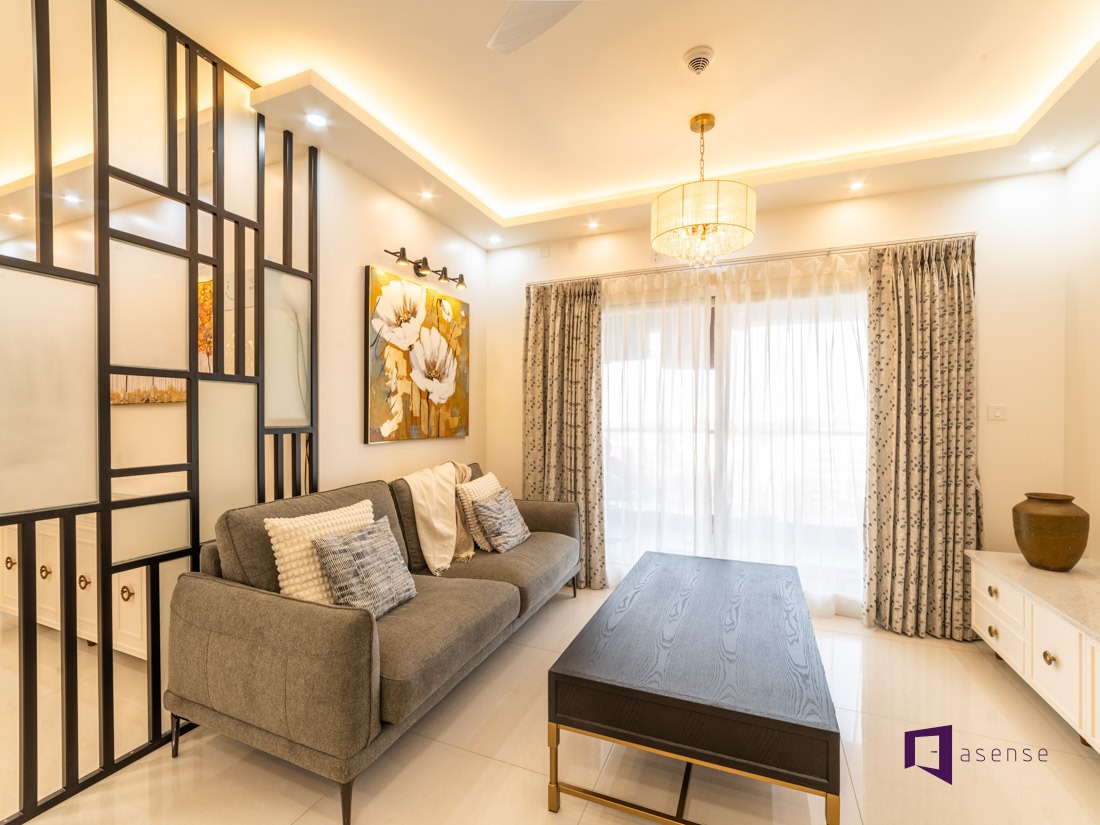
In today’s fast-paced world, automating your home has become increasingly popular as a means to enhance convenience, improve security, and increase energy efficiency. Home automation involves integrating various smart devices and systems that communicate with each other to perform tasks automatically or through remote control. This technology allows homeowners to manage lighting, heating, security cameras, appliances, and even entertainment systems from their smartphones or voice-controlled assistants.
One of the primary benefits of home automation is the convenience it offers. Imagine arriving home on a cold winter evening and having your thermostat already set to a comfortable temperature without lifting a finger. Smart thermostats learn your schedule and preferences over time, adjusting settings accordingly to optimize comfort while reducing energy consumption. Similarly, automated lighting systems can turn lights on or off based on occupancy or natural light levels, eliminating the need for manual operation and contributing to energy savings.
Security is another significant advantage of an automated Home automation. Smart locks enable keyless entry by using digital codes or smartphone apps, allowing you to grant access remotely when needed-ideal for letting in guests or service personnel without being physically present. Security cameras integrated into your system provide real-time video feeds accessible from anywhere in the world via mobile devices. Motion sensors can trigger alerts if unusual activity is detected around your property, giving peace of mind whether you are at work or on vacation.
Additionally, automation enhances everyday routines by streamlining household chores and entertainment options. Robotic vacuum cleaners can be scheduled to clean floors automatically at specific times; smart kitchen appliances like coffee makers can start brewing before you wake up; multi-room audio systems allow seamless music playback throughout different areas of the house controlled by simple voice commands.
Setting up an automated home does not necessarily require extensive technical knowledge thanks to user-friendly platforms such as Amazon Alexa, Google Assistant, and Apple HomeKit that support numerous compatible devices across brands. These ecosystems provide centralized control hubs where users can create customized scenes-for instance “Good Morning” might open blinds gradually while playing soft music-and automate sequences triggered by certain events like sunset or departure from home.
While initial investment costs may vary depending on desired features and scale of implementation, many find that increased comfort combined with potential utility bill savings justifies upgrading their living spaces with smart technology solutions. Moreover, ongoing advancements continue making these products more affordable and accessible every year.
In conclusion, automating your home brings unparalleled convenience by simplifying daily tasks through intelligent device integration and remote management capabilities. Whether improving climate control efficiency, enhancing security measures, facilitating household chores or enriching entertainment experiences-the modern smart home transforms ordinary living into something remarkably effortless yet sophisticated. Embracing this innovation promises not only immediate lifestyle improvements but also future-proofing one’s residence against evolving technological trends ahead.