
The largest trucking companies in North America are facing a significant challenge as freight demand continues to grow steadily. To manage this increasing volume, these companies employ a variety of strategies aimed at improving efficiency, expanding capacity, and leveraging technology. One of the primary approaches involves investing heavily in fleet modernization. By upgrading to newer, more fuel-efficient trucks and trailers, companies reduce operating costs and enhance reliability, which is crucial for handling larger volumes of freight without sacrificing delivery times.
In addition to fleet upgrades, these companies focus on optimizing route planning and load management to make the most of their existing resources. Advanced software solutions enable them to analyze traffic patterns, delivery windows, and cargo types to create the most efficient routes. This reduces empty miles and maximizes truck utilization. Efficient routing also helps in meeting tight deadlines and improving customer satisfaction, which is essential in a competitive market.
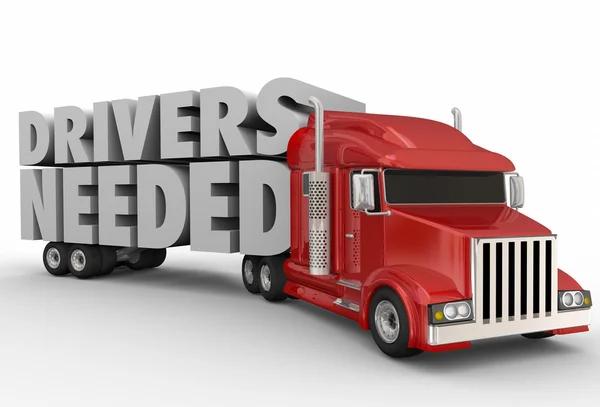
Another important factor is workforce management. The trucking industry has long faced challenges related to driver shortages, and as freight demand grows, the need for skilled drivers intensifies. Leading companies have responded by enhancing recruitment efforts, offering better compensation packages, and improving working conditions. They also invest in driver training programs to maintain high safety and service standards. Retaining experienced drivers helps maintain operational stability, which is critical when demand spikes.
Technology adoption extends beyond route optimization. The largest carriers are integrating telematics, real-time tracking, and automated reporting systems. These technologies provide greater visibility into shipments, enabling faster responses to delays or issues. They also support predictive maintenance, which helps prevent breakdowns and reduces downtime. This proactive approach ensures that fleets remain operational and capable of meeting increasing freight volumes.
Partnerships and network expansion also play a role in managing growing freight demand. Large trucking companies often collaborate with regional carriers or third-party logistics providers to extend their reach and capacity. By building strong networks, they can offer more comprehensive service coverage and handle peak periods more effectively. This flexibility allows them to scale operations in response to market fluctuations without overextending their own assets.
Environmental sustainability is becoming a consideration as well. Growing demand means more trucks on the road, and companies are increasingly aware of their carbon footprint. Many are exploring alternative fuels, electric vehicles, and other green technologies to create a more sustainable operation. This not only addresses regulatory requirements but also appeals to customers who prioritize environmentally responsible partners.
Overall, the largest trucking companies in north america manage growing freight demand through a combination of fleet investment, operational efficiency, workforce development, technology integration, strategic partnerships, and sustainability initiatives. These efforts enable them to adapt to market pressures and maintain reliable service in an ever-expanding transportation landscape.
